

TLDR Summary:
- Virtual staging is more cost-effective than traditional staging.
- Traditional staging offers tangible experiences but can be costly.
- Virtual staging is ideal for vacant homes or tight budgets.
- Traditional staging suits luxury homes and occupied listings.
- Consider local market trends: virtual staging is popular in Texas neighborhoods like The Heights and Montrose.
Staging a home is a pivotal step in the selling process. It transforms spaces, enhances appeal, and potentially increases the sale price. As a seasoned professional at Natasha Carroll Realty, I’ve seen first-hand how both virtual and traditional staging can impact the Texas real estate market. But how do these two staging methods compare, and when is one a better option than the other? Let’s delve into this.
What Is Virtual Staging?
Virtual staging leverages technology to digitally furnish and decorate a home. Using computer software, images of empty spaces are transformed with furniture, art, and decor, creating a lifelike representation of potential living spaces.
Pros of Virtual Staging:
- Cost-Effective: Virtual staging typically costs between $75 to $150 per room, a stark contrast to the thousands charged for traditional staging.
- Flexibility: It allows for rapid style changes to cater to diverse buyer preferences.
- No Physical Setup: There’s no need to transport or arrange furniture physically, saving time and effort.
Cons of Virtual Staging:
- Lack of Tangibility: Buyers can’t physically interact with the staged furniture, which might diminish the homey feel.
- Requires Disclosure: Transparency is crucial; buyers must know when photos are virtually staged to prevent misunderstandings or disappointment.
Local Insight: Virtual staging has gained popularity in neighborhoods like The Heights and Montrose where modern, tech-savvy buyers appreciate innovative marketing approaches.
How Does Traditional Staging Work?
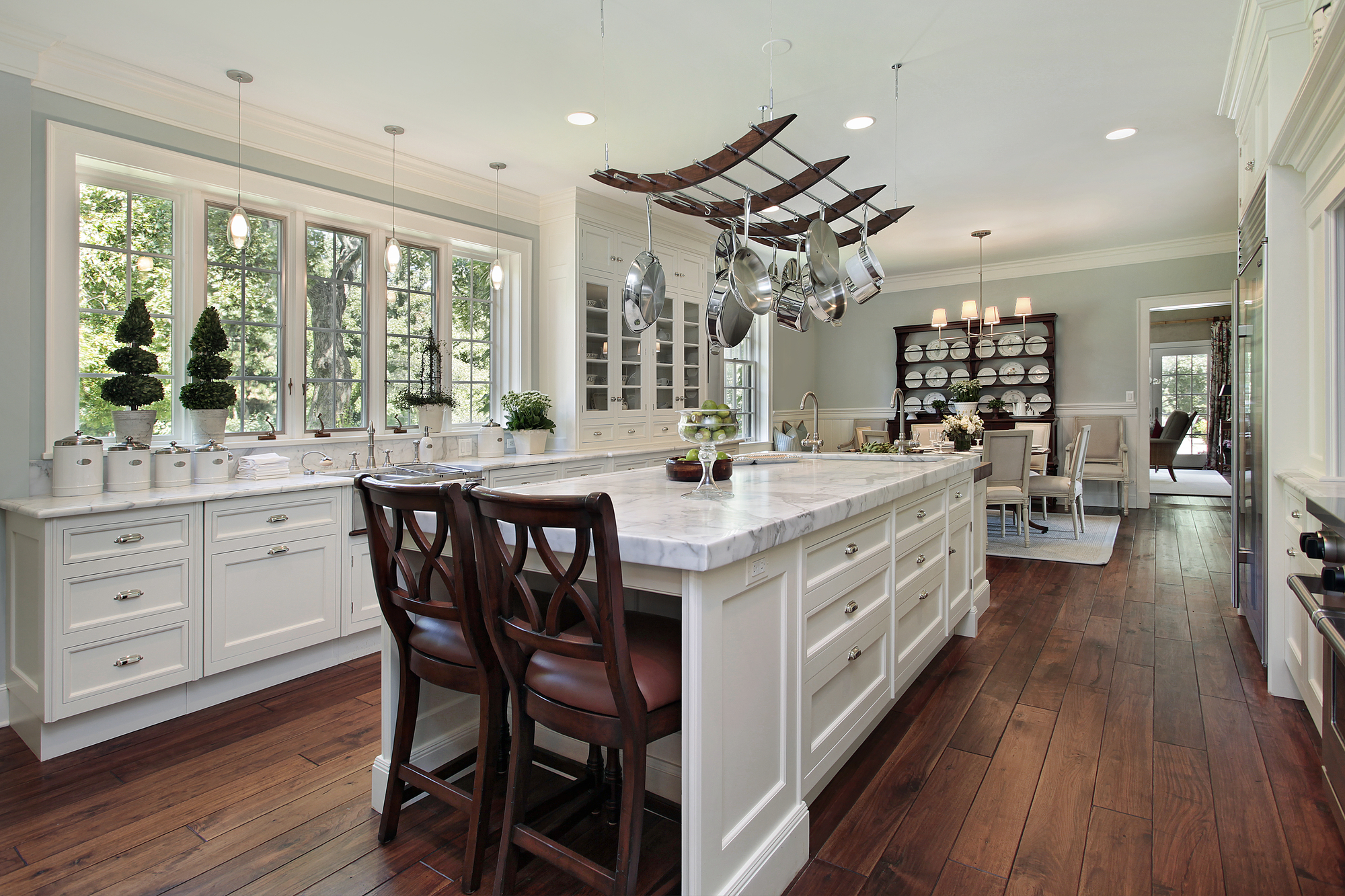
Traditional staging involves physically arranging furniture and decor in a home to highlight its best features. This method helps buyers visualize living in the space.
Pros of Traditional Staging:
- Tangible Experience: Buyers can walk through a home and experience its ambiance firsthand, which can lead to emotional connections.
- Enhanced Perception of Space: It can make spaces appear larger or more functional.
Cons of Traditional Staging:
- Higher Costs: Prices can range from $2,000 to $5,000 or more, depending on the size of the home and the quality of furnishings.
- Time-Consuming: Coordinating the delivery and arrangement of furniture can delay the listing process.
Local Story: One of my clients in the upscale neighborhood of River Oaks opted for traditional staging. The luxurious staging aligned perfectly with the neighborhood’s high-end market, ultimately leading to a successful sale above the asking price.
When Is Virtual Staging the Better Option?
Virtual staging shines in specific scenarios:
Ideal for Vacant Properties. Vacant homes often feel cold and uninviting. Virtual staging can infuse warmth and character into these spaces without the logistical challenges of moving physical furniture.
Budget-Friendly Solutions. For sellers in West University who need to keep costs low, virtual staging offers a cost-effective alternative that doesn’t compromise on visual appeal.
Rapid Market Entry. In a fast-moving market like Houston, where speed can be a deal-maker, virtual staging allows listings to hit the market quickly, appealing to both buyers and agents.
Local Insight. In The Woodlands, where contemporary homes appeal to young professionals, virtual staging caters to this demographic’s preference for digital interactions.
When Does Traditional Staging Make More Sense?
Traditional staging remains invaluable for certain circumstances:
Luxury Listings. High-end homes in Tanglewood benefit from traditional staging, which can showcase the property’s grandeur and quality through tangible, luxurious furnishings.
Occupied Homes. It’s easier to integrate existing furniture with traditional staging, making spaces feel cohesive and lived-in.
Emotional Impact. Homes in family-oriented neighborhoods like Bellaire benefit from the emotional resonance that traditional staging can evoke, potentially shortening the time on market.
Comparing Costs and Timelines
Understanding the financial and temporal aspects of each method can guide sellers in making informed decisions.
Virtual Staging Costs and Timelines:
- Cost: $75 to $150 per room.
- Timeline: Typically completed within 48 hours, allowing for quick listing readiness.
Traditional Staging Costs and Timelines:
- Cost: $2,000 to $5,000 or more.
- Timeline: Setup can take several days, depending on coordination with staging companies.
These estimations vary by neighborhood and home size. For instance, a spacious home in Cinco Ranch may demand a more comprehensive staging plan, affecting both cost and timeline.
Local Market Insights for 2025
As of 2025, the Texas real estate market continues to thrive. In areas such as Sugar Land and Katy, demand for homes remains strong, with buyers showing increasing interest in homes that offer a contemporary look and feel. This trend underscores the importance of staging in enhancing property appeal.
Neighborhood Spotlight:
- The Heights: Known for its eclectic charm, homes here benefit from virtual staging that highlights unique architectural features.
- River Oaks: Traditional staging is often preferred to match the grandeur of luxury estates.
- Pearland: A mix of virtual and traditional staging is prevalent, catering to its diverse demographic.
Frequently Asked Questions
- How do I decide between virtual and traditional staging?
Consider your budget, timeline, and target market. Virtual staging is budget-friendly and quick, while traditional staging offers a tangible experience that can attract high-end buyers. - Is virtual staging effective in smaller homes?
Yes, virtual staging can make small spaces appear larger and more functional, particularly appealing in neighborhoods like Midtown.
- Can I use both virtual and traditional staging?
Absolutely. Combining both can maximize appeal, particularly in competitive markets like Uptown, by catering to a wide range of buyer preferences.
- Do staged homes sell faster?
Staged homes, whether virtually or traditionally, tend to sell faster and at higher prices. They allow buyers to visualize the potential of a space more clearly.
- Are there any legal considerations with virtual staging?
Ensure transparency by disclosing virtual staging in listings. This maintains trust and avoids potential legal issues.
Final Thoughts
Choosing between virtual and traditional staging depends on various factors, including budget, property type, and local market conditions. As a seasoned listing agent in the Texas real estate market, I’m here to guide you through these decisions to ensure client satisfaction and a successful sale.
For personalized advice and assistance with your home selling journey, feel free to reach out.
Natasha | License #534175
Call or text 832-346-7631