
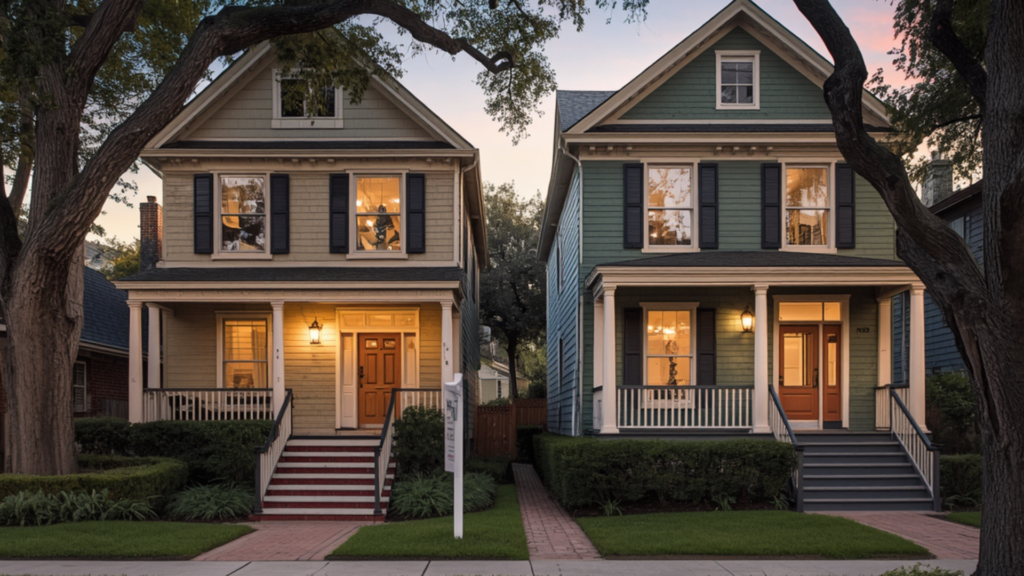
The Heights stands among Houston’s most desirable neighborhoods, known for its historic architecture, mature trees, walkable streets, and proximity to central business districts such as Downtown Houston and Midtown. Over the past decade, The Heights has consistently ranked as one of the fastest‑selling single‑family home markets in central Houston, with median sale prices rising 6%–9% annually in core subdistricts over the past three years. In recent years, The Heights has seen robust activity in the Texas real estate market, attracting buyers seeking character‑rich homes, fully renovated properties, and investment opportunities. However, not all listings in The Heights move at the same pace. Some homes sell within days of hitting the market (often in less than 30 days, and in some cases under two weeks), while others linger with limited activity for 60–120 days or more before selling.
Understanding the factors that contribute to this divergence is crucial for buyers, sellers, and investors aiming to make informed decisions in a competitive market. The interplay of pricing accuracy, condition and modernization, location micro‑trends, flood risk and insurance requirements, listing strategy, zoning and renovation potential, inventory dynamics, and buyer demand shapes how individual properties perform. Insight into these variables helps clarify why certain homes in The Heights attract rapid offers, while others sit unsold for weeks or months.
TLDR Summary
- Accurate pricing within 3–5% of comparable sales is the single biggest factor in quick home sales.
- Turnkey condition and modern updates significantly boost buyer interest.
- Location micro‑trends matter: proximity to 19th Street, Heights Boulevard, trails, and schools shortens market time.
- Flood risk and insurance costs influence buyer decisions and offer timing.
- Experienced agents with strong listing strategies increase visibility and offer activity.
- Inventory levels, seasonality, and inbound migration affect competitive dynamics.
- Buyers and investors prioritize different traits, shaping how quickly homes sell.
Key Factors Influencing Why Some Homes Sell Faster
Pricing Accuracy
In The Heights, pricing accuracy is consistently the strongest predictor of sale speed. According to Houston Association of Realtors data, homes priced within 3–5% of recent neighborhood comps see the most consistent activity, with average days on market (DOM) under 35 days. Properties that start at prices 10% or higher than current comparable sales often experience extended market time, with many lingering 60–120 days before sellers adjust price or make concessions. Pricing accuracy reflects not just square footage and lot size, but also features such as ceiling height, historical character, and proximity to desirable nodes. For example, a 3‑bed, 2‑bath bungalow near Heights Boulevard may command a premium over a similar home near the N. Shepherd corridor due to walkability and streetscape appeal.
Condition and Renovations
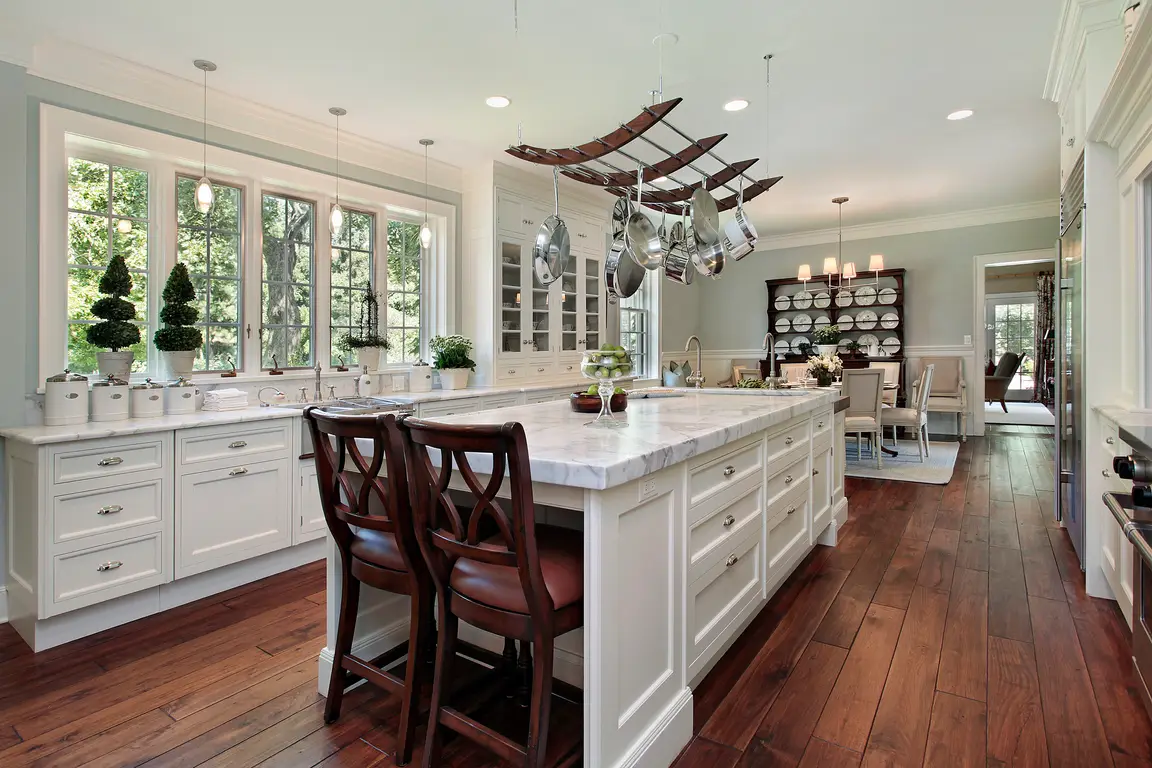
The Heights hosts a wide range of home conditions, from century‑old bungalows dating back to 1905–1930 to modern infill and fully renovated contemporary homes. Buyers in 2024 and 2025 have shown a strong preference for updated infrastructure, including kitchens with quartz or marble countertops, open floor plans, dual‑pane energy‑efficient windows, and smart home HVAC systems — with turnkey homes selling significantly faster. Renovated homes with modern finishes consistently receive multiple offers within the first 2–4 weeks, often selling at or above asking price. In contrast, historic homes needing major updates, such as electrical rewiring, roof replacement, or full kitchen/bath remodels, generally remain listed longer unless the price reflects those anticipated investment costs.
Location Within The Heights
Not all micro‑locations within The Heights perform equally. Properties within a 5‑minute walk of 19th Street, Heights Boulevard, or pedestrian‑oriented retail nodes such as White Oak Drive and Oxford Street experience higher buyer interest and faster sales. These areas offer immediate access to restaurants, coffee shops, breweries, and parks such as T.C. Jester Park and the Heights Hike & Bike Trail, which in turn increase livability scores and perceived value. Proximity to well‑regarded schools, notably Harvard Elementary, Hogg Middle School, and Heights High School, also influences buyer demand, especially among families. Homes near these amenities routinely see shorter DOM and stronger offer activity than those in quieter interior blocks further from neighborhood nodes.
Flood Risk and Insurance Considerations
Although The Heights generally sits at higher elevation compared with some parts of Houston, flood risk still influences buyer behavior. Areas near Buffalo Bayou and historic drainage paths can fall into FEMA Flood Zones AE or VE, triggering higher flood insurance requirements. Flood insurance premiums for these homes range from roughly $2,500 to over $8,000 annually, depending on elevation certificates and foundation type. Buyers factor these ongoing costs into their offer calculations, sometimes reducing initial bid amounts or extending market time unless the price reflects the added expense. Conversely, homes with elevation certificates showing minimal flood risk, particularly those above 35–40 feet elevation — tend to attract stronger interest and fewer insurance‑related contingencies.
Listing Presentation and Exposure
Effective listing presentation plays a measurable role in market performance. Listings featuring professional interior and exterior photography, comprehensive floor plans, accurate room measurements, and clear description of upgrades regularly generate more showings within the first 7–14 days. Agents who leverage digital platforms, targeted social media marketing, virtual tours, and staging services increase buyer traffic, particularly for higher‑priced properties. Properties with poor lighting, amateur photos, or vague descriptions often underperform relative to comparables, regardless of price.
Differences Between Neighborhoods and Submarkets
It is useful to compare The Heights with other parts of Houston to contextualize its micro‑market dynamics:
Rice Village and Montrose – Like The Heights, these neighborhoods combine historic character with modern living. Rice Village’s dense retail environment, boutiques, and restaurants drive brisk demand for smaller homes and condos, which often sell within 15–25 days when priced accurately.
Downtown Houston and Midtown – High‑rise condos in these districts move quickly when priced appropriately due to demand from professionals seeking proximity to employment centers. Single‑family homes in The Heights, by contrast, attract a mix of first‑time buyers, growing families, and investors seeking yard space and architectural character.
Bellaire, West University, and River Oaks – These established central neighborhoods command premium pricing, often ranging from $1.8 million to $7 million+, and typically have lower inventory with consistent demand. Homes here may sell quickly but often at price points higher than comparable homes in The Heights due to land value, school ratings, and prestige.
Spring Branch, Cypress, and Katy – In more abundant inventory suburban markets, average DOM can range from 60–120+ days, compared with the tighter six‑weeks or less often seen in central neighborhoods like The Heights.
Practical Considerations for Buyers and Sellers
Detailed Comparables
Buyers should review recent sales within a few blocks, not broad neighborhood averages, to understand true market value. For sellers, aligning the listing price to these micro‑comps can influence both sales speed and final sale price.
Condition and Market Positioning
List homes with updated infrastructure and modern finishes to attract buyers seeking move‑in‑ready properties, particularly amid limited inventory and strong competition.
Flood Risk Assessment
Given Houston’s history with flooding, buyers and sellers should evaluate flood exposure thoroughly. Homes with favorable elevation certificates and minimal flood risk often command higher interest and lower insurance costs.
Zoning and Renovation Permissions
While The Heights has a relatively flexible regulatory framework compared with strictly zoned cities, deed restrictions and overlays can impact development potential and renovation scope. Buyers and investors should assess how these affect future plans.
Market Timing and Seasonality
In spring and early summer (March through June), buyer activity typically increases in Houston, often leading to faster sales and multiple offers. Winter months, particularly December through February, may slow traffic and extend average DOM.
Buyer Demand and Inventory Levels
Houston’s competitive real estate market has sustained strong demand across multiple price points, but inventory levels remain tighter in desirable neighborhoods like The Heights, River Oaks, and Memorial. In recent months, inventory for single‑family homes in central neighborhoods has hovered at 4–6 weeks of supply, contributing to quicker sales on properly positioned properties. Suburban areas such as Pearland, Cypress, and Katy still show broader inventory, often 8–12+ weeks of supply, giving buyers more options but diluting competitive pressure. Nevertheless, buyers seeking urban proximity and neighborhood character continue to focus on The Heights, Rice Village, and Montrose, sustaining stronger demand.
Pricing Trends
Median home prices in The Heights have appreciated steadily. Recent trends indicate average prices rising 6–9% year‑over‑year on renovated homes in prime sub‑districts like Heights Boulevard and Oxford Street. By contrast, homes requiring updates appreciated at a slower pace, closer to 3–5%. Buyers relocating from high‑cost regions contribute to upward pressure on pricing as they seek value within central Houston while maintaining proximity to employment centers like Downtown Houston, Uptown’s Energy Corridor, and major healthcare facilities.
Development Growth and Migration
Urban redevelopment around The Heights, including infill construction and modern townhome projects, has introduced new inventory and added complexity to market comparables. Migration from other Texas cities such as Austin and Dallas, as well as national markets, continues to feed demand, particularly among buyers prioritizing school access, walkability, and neighborhood identity.
Pros and Cons or Key Considerations
Advantages
Homes priced accurately with neighborhood comparables generally lead to rapid sale. Turnkey condition and modern finishes attract broader buyer pools. Elevated locations with low flood risk support stronger buyer confidence. Proximity to amenities, well‑rated schools, and transportation nodes increases showings and offers.
Considerations
Properties requiring significant updates may sit longer on market. Flood risk and higher insurance costs can deter some buyers unless the price reflects these factors. Market volatility tied to economic shifts may affect timing for sellers. Inventory fluctuations can impact negotiation leverage.
Frequently Asked Questions
Why do some homes in The Heights sell quickly?
Homes priced near comparable sales, with updated features and desirable micro‑location, typically see higher buyer interest and faster offers, often under 30–35 days.
Does flood risk affect sale speed in The Heights?
Yes. Properties facing higher flood risk or elevated insurance requirements may take longer to sell unless priced to reflect these added costs.
Are historic homes in The Heights harder to sell?
Not inherently, but historic homes that require significant renovation or mechanical upgrades often sit longer compared with renovated or modernized listings.
How does proximity to Downtown Houston influence value?
Closer proximity to central business districts like Downtown Houston often increases buyer interest, particularly among professionals seeking reduced commute times.
What impact does inventory have on sale speed?
Lower inventory in high‑demand neighborhoods leads to competitive conditions, often resulting in faster sales for well‑positioned properties.
Should investors expect different market behavior in The Heights compared with suburban areas?
Yes. Urban core neighborhoods like The Heights often see stronger demand and quicker sales compared with more abundant inventory in suburban markets.
The divergence in how long homes sit on the market in The Heights versus how quickly others sell reflects a blend of pricing strategy, property condition, neighborhood micro‑trends, flood risk considerations, and overall market context. Buyers and sellers who understand these variables gain a distinct analytical edge in navigating a competitive segment of the Houston real estate market. Homes that are priced accurately, prepared for buyer expectations, and positioned within desirable sub‑districts of The Heights attract rapid offers. Conversely, properties that require significant updates, face mitigation challenges, or lack market alignment are more likely to linger.
Natasha Carroll Realty provides deep expertise in Houston’s competitive real estate market, including neighborhood‑level insights, pricing strategies, flood risk assessment, and strategic listing execution. For buyers, sellers, and investors looking to optimize results in The Heights or other high‑demand districts, professional guidance can clarify opportunities and support confident decision‑making.
Natasha Carroll
https://www.natashacarrollrealty.com/
Call or text (832) 346‑7631